Impact-Driven Entrepreneurship : Meet the Top Teams from Start For Good Bootcamp
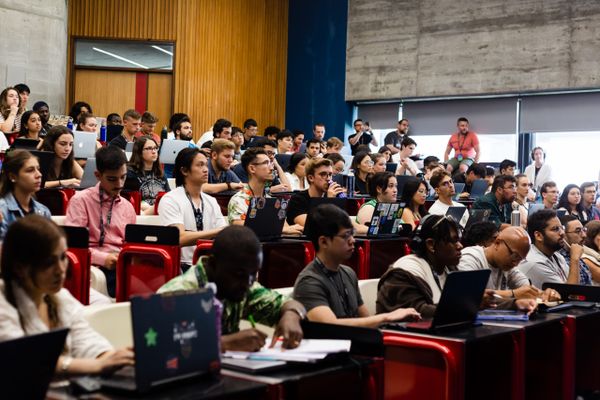
The goal of the Start For Good Bootcamp was to empower university students to tackle global challenges by creating impact-driven, sustainable, and financially viable startups that address pressing social and environmental issues.
Over the course of one month, students formed international teams, brainstormed innovative solutions, and worked tirelessly to refine their ideas. The selected issue was often something that students had experienced firsthand or had observed in their local communities, which fostered a strong sense of passion and dedication to their projects. This shared drive to improve the quality of life in their communities created an inspiring atmosphere of purpose and dedication throughout the program. After a month of intense collaboration and problem-solving, the teams proudly showcased their projects on November 9th. As the program drew to a close, Maher Hakim, Program Lead and Professor of Entrepreneurship at Carnegie Mellon University Qatar, shared a powerful message on the mission behind Start For Good: “All of us here believe that science and technology can be a force for good in the world. But true impact requires innovations that improve health, education, the environment, and security. What’s the point of science and technology if these things don’t lead to a better future and better world for all of us? Our goal as mentors, coaches, and organizers is to empower you, the students, to become change agents bringing these innovations to the world.”
Following this inspiring message, 11 teams were selected to pitch their ideas to the jury, and from these, 3 exceptional teams emerged as winners. Meet the Winning Teams
Out of all the finalists, three teams stood out for their innovative solutions and potential for real-world impact. These top teams, chosen by our esteemed panel of judges, have already made remarkable strides toward creating a better future. The finalists were evaluated by an expert panel that included:- Rick Rasmussen – Head of Mentors and Industry Fellow at the University of California, Berkeley
- Aysha Al Mudahka – Program Director at QRDI Council
- Maher Hakim – Professor of Entrepreneurship at Carnegie Mellon University Qatar and Start For Good Program Lead
Start For Good 2024 Top Teams
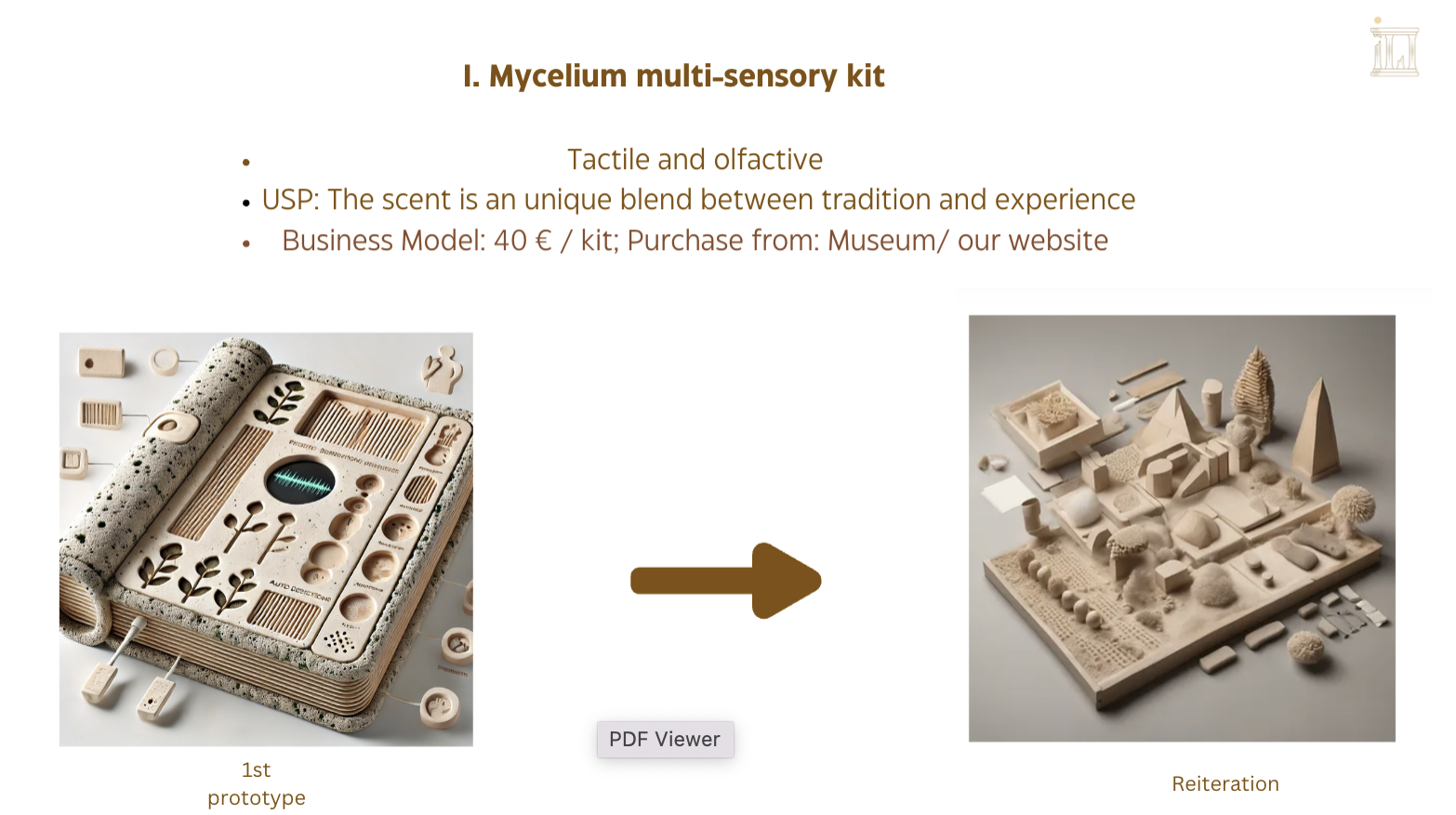
(IN)visible Heritage “Access the Past, Shape the Future” Problem: Many people face barriers to accessing cultural heritage due to financial constraints or health issues. Solution: A mycelium-based multisensory kit offering tactile and olfactory experiences for immersive cultural exploration, designed specifically for people with health challenges. The project also includes a gamified platform to boost engagement. Impact: This solution could reach over 2 billion people facing health-related accessibility challenges and reduce CO2 emissions by using mycelium instead of plastic, potentially increasing museum engagement by 40%.
Team:
- Amalia Balan - University of Twente
- Jelan Ali - Qatar University
- Erica Ann de Mello - University of Coimbra
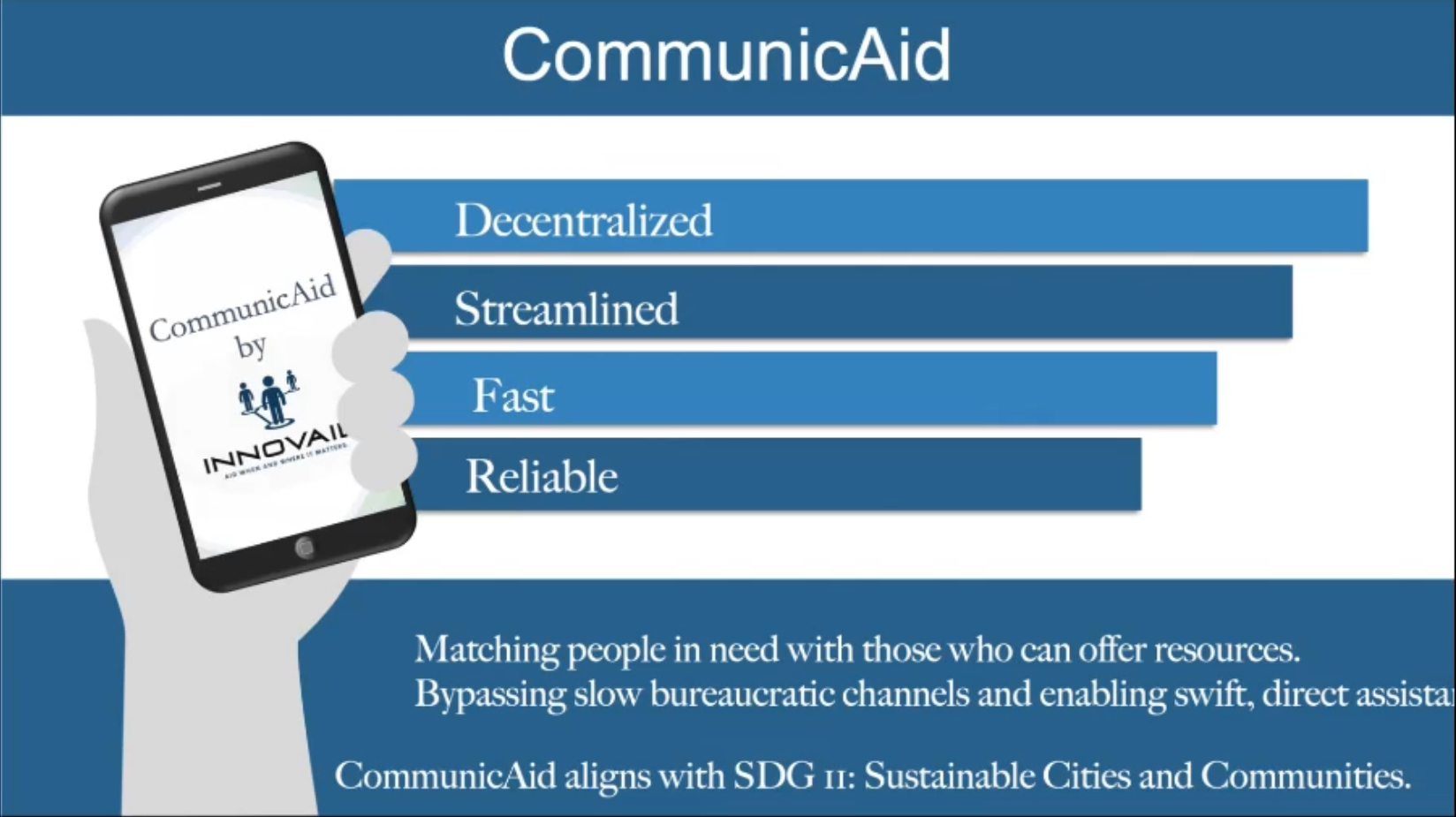
CommunicAid “Aid When and Where It Matters” Problem: Humanitarian aid during natural disasters often faces slow bureaucratic processes, delaying critical help. Solution: A digital platform that directly connects those in need with individuals who have resources, bypassing traditional channels to enable faster, more efficient aid distribution. Impact: With natural disasters affecting 200 million people annually, this app could reduce response time disparities by up to 40%, particularly benefiting marginalized communities.
Team:
- Soha Mousa - Texas A&M University-Qatar
- Aysha Jiffry - Texas A&M University-Qatar
RidÈkó “Pedal Lagos Towards a Greener Future”
Problem: Urban commuters in Lagos, Nigeria, face severe traffic congestion, high transportation costs, and elevated air pollution levels. Solution: An eco-friendly bike-sharing platform providing a sustainable, affordable commuting alternative to ease traffic and reduce emissions. Impact: Reduces Lagos’s carbon footprint and aims to alleviate traffic issues that cost the city over $2 billion in lost productivity each year.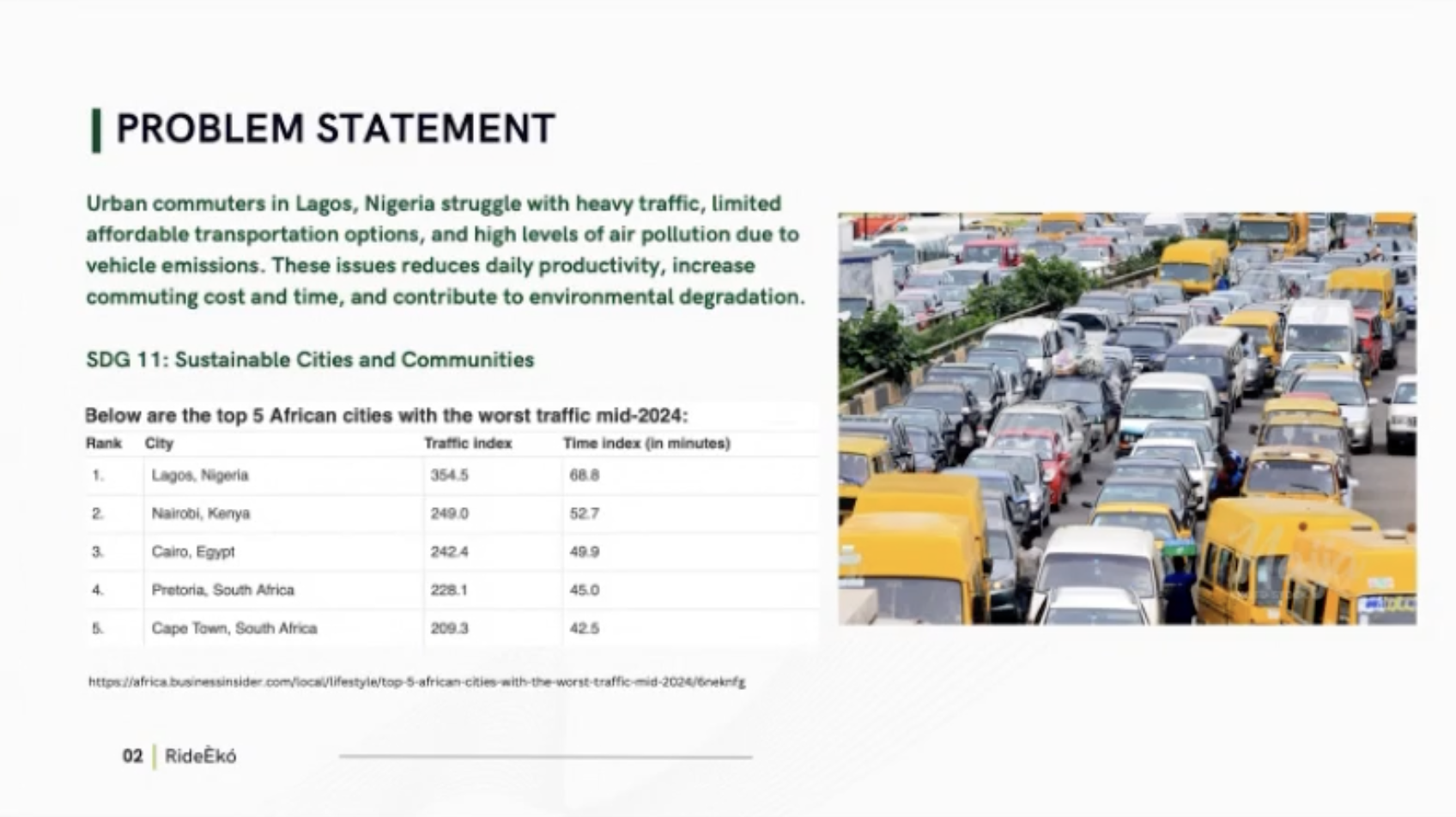
- Maryia Zhukava - Carnegie Mellon University Qatar
- Eze Jackson - Warsaw University