OSCE: Building Peace and Security through Entrepreneurship and Innovation

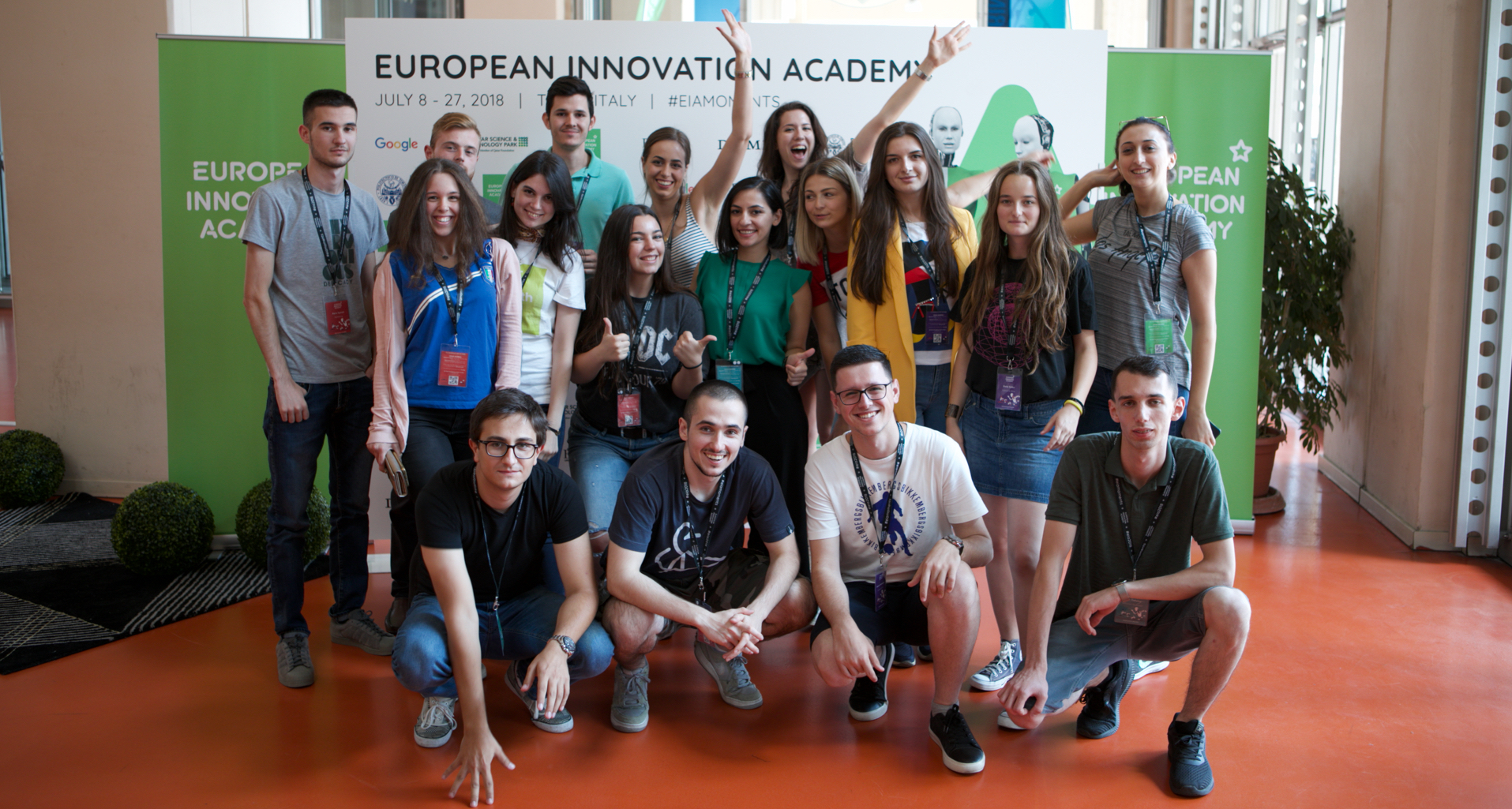
4. Can you share any success stories or notable impacts from the OSCE's work in fostering entrepreneurship and innovation in the region? The OSCE has been working with young entrepreneurs and innovators in the region since 2019 when it supported 18 young women and men from the Western Balkans to attend EIA’s summer school in Turin. A follow up survey of those supported showed that 65% of the beneficiaries are currently involved in establishing a start-up. By targeting youth aged 18-25, the OSCE was able to foster an entrepreneurial mind-set and a “culture of entrepreneurship” among the youngest in the whole region. The OSCE’s focus on the social economy also kick-started a reflection on social enterprise and social innovation as means to promote sustainable economic development in the region, and the role of the OSCE in supporting ongoing efforts towards an ecosystem for social economy as a particularly effective tool to ensure economic participation of young people and women. 5. Can you highlight any unique challenges and opportunities in the Western Balkans that entrepreneurs might face compared to other regions? Some of the most common challenges faced by entrepreneurs in the Western Balkans include bureaucratic hurdles when setting up business, regulatory frameworks, challenges related to corruption, red tape, and inconsistent implementation of laws and regulations, which can hinder business operations. Securing adequate financing can be a challenge for entrepreneurs in the Western Balkans. Traditional lending institutions may have stringent requirements, and venture capital and angel investor networks are still developing. The brain drain also poses a challenge as the Western Balkans have experienced significant emigration in recent years, particularly among skilled workers and young talent. In terms of opportunity, the Western Balkans is offers untapped market potential. With a population of over 20 million people, there are plenty of possibilities for entrepreneurs to introduce innovative products and services to meet local demand. Sectors such as technology, renewable energy, tourism, and agriculture have considerable growth potential. The Western Balkans' geographical location also provides opportunities for entrepreneurs to access both European Union (EU) and non-EU markets and the EU accession process for some countries in the region offers the potential for increased trade and investment opportunities. In spite of the brain drain, the Western Balkans still has a skilled workforce with competitive labor costs. Entrepreneurial ecosystems are growing rapidly in the region and governments, NGOs, and private organisations are actively promoting entrepreneurship and innovation through funding programs, incubators, accelerators, and networking events. Entrepreneurs can benefit from these support structures and connect with mentors, investors, and potential partners. Finally, the Western Balkans boast a rich cultural heritage, natural beauty, and diverse tourism potential. Entrepreneurs in sectors such as hospitality, travel, and sustainable tourism can leverage these unique attractions to create innovative experiences and capitalise on the growing interest in agro and eco tourism. 6. How do you envision the future of entrepreneurship in the Western Balkans, and how does the OSCE intend to support this vision? My vision for the future of entrepreneurship in the Western Balkans would be that the region can truly maximise its potential by fully implementing economic reforms and the necessary infrastructure conducive to attracting foreign investment. As technology continues to advance globally, the Western Balkans can become a European hub for innovative solutions and digital entrepreneurship. Cooperation among the Western Balkan countries and regional and European integration efforts will foster a more favourable environment for entrepreneurship. Collaborative initiatives, such as joint trade agreements and simplified business regulations, will reduce barriers and encourage cross-border entrepreneurship and greater investment in education and skills development will contribute to a skilled workforce and entrepreneurial mindset. The OSCE supports this by fostering regional cooperation and entrepreneurial activities through broader initiatives such as promoting transparent and efficient legal frameworks, which can contribute to a business-friendly environment and encourage entrepreneurship. The OSCE also supports initiatives such as trade and transport connectivity and good governance, and combatting crime and corruption, which will make the region more attractive to foreign direct investment. Through projects such as YDEAS and cooperation with EIA, the OSCE will continue to provide and support training programs and capacity-building initiatives to strengthen the skills and knowledge of entrepreneurs, especially women and youth. And by working with local, national and regional authorities, the OSCE will continue to strengthen capacity and develop normative frameworks for inclusive and sustainable entrepreneurial ecosystems. And finally, the OSCE will continue to serve as a platform for dialogue and collaboration among governments, civil society, academia and business communities in the Western Balkans.