EIA Impact Report: A Decade of Impact on Entrepreneurial Education

Alumni Demographics and Diversity
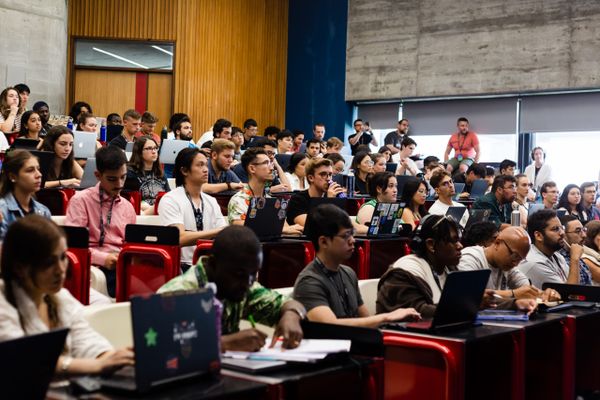
Over the last decade, EIA has successfully engaged a diverse group of students, representing over 85 countries and 61 universities worldwide. In addition, EIA also places a strong emphasis on gender diversity, with 52% of participants in 2024 identifying as female. This commitment to inclusivity highlights the program’s role in empowering women in entrepreneurship and leadership, fostering a more equitable innovation ecosystem. Participants come from a variety of academic backgrounds, including business, engineering, medicine, computer science, and arts.Developing an Entrepreneurial Mindset
One of the strongest indicators of EIA’s success is the shift in participants' entrepreneurial mindset. The EIA Impact Report reveals that 95% of participants reported a positive transformation in their confidence and entrepreneurial skills upon completing the program. As a 2018 alum noted, “It simply changed my mindset. It empowered me to believe in myself and my skills more than any other experiences I had at that point of my life.” Specific outcomes included:-
- 51.6% of students felt extremely confident in taking calculated risks post-program.
- EIA participants demonstrated significantly higher scores in innovativeness (5.79) and proactiveness (5.08) than the global averages (5.05 and 4.50)
- 56% of students reported intending to start their own business in the near future.
Entrepreneurial Success Post-EIA
EIA startups have a global footprint, with ventures emerging from various regions. The regional breakdown of startups shows 37% in Europe, 26% in North America, 11% in Asia, 10% in MENA, 5% in South America, 2% in Australia, and 8% in global or multiregional markets. This distribution highlights the program’s ability to foster entrepreneurship across diverse economic and cultural landscapes. EIA serves as a launching pad for new business ventures, with a significant percentage of alumni transitioning from ideation to execution. The alumni survey found that:- 40% of alumni launched a startup after attending EIA.
- 33% of startups were based directly on ideas developed at EIA, reflecting the program’s effectiveness in guiding idea validation and execution.
- 64% of alumni-founded businesses are still active, demonstrating resilience and sustainability in startup operations.
- Collectively, EIA alumni have raised $2.2 billion in funding and created over 32,000 jobs globally.
Broader Professional Impact Beyond Startups
While many alumni pursue entrepreneurship, EIA’s influence extends beyond startup creation. Among those who joined established companies, 44% credited EIA for helping them secure jobs, earn promotions, or advance to leadership roles. Additionally:-
- 33% of alumni contributed to the development of new products or services in their organizations, showcasing the transferability of EIA’s entrepreneurial training.
- 97% of alumni continue to use skills acquired at EIA in their careers, with an emphasis on innovation, adaptability, and strategic decision-making.
- 80% of respondents reported ongoing development of entrepreneurial skills, reinforcing the long-term impact of the program on their professional trajectories.
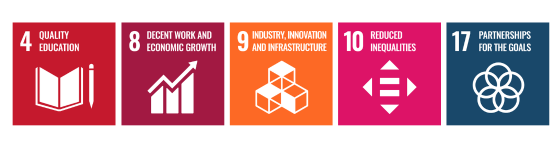
EIA's Contribution to Sustainable Development Goals (SDGs)
Alumni Achievements and Global Recognition
EIA alumni have demonstrated remarkable achievements in various industries. Several graduates have gained international recognition, such as:- Jonathan Regev (EIA 2013) - CEO & Co-founder of The Farmer’s Dog, raised $150M, Forbes 30 Under 30.
- Fred Krieger (EIA 2013) - Founder of Scoro, raised $200M+ in funding.
- Bailey Farren (EIA 2017) - CEO of Perimeter, Forbes 30 Under 30, raised $6M.
- Rodrigo Val d’Oleiros e Silva (EIA 2019) - Winner of the U.S. National Academy of Medicine’s Catalyst Award and Forbes 30 Under 30 Portugal. These success stories underscore EIA’s role in fostering impactful entrepreneurs who are shaping global industries.